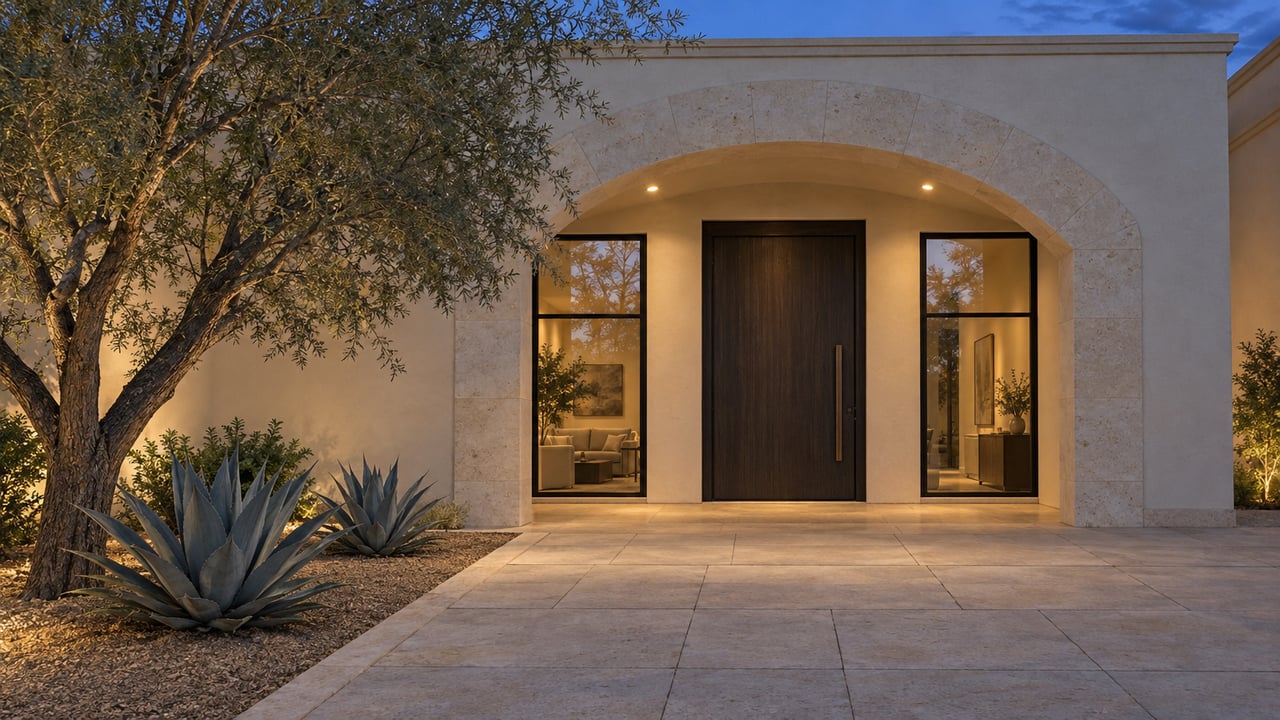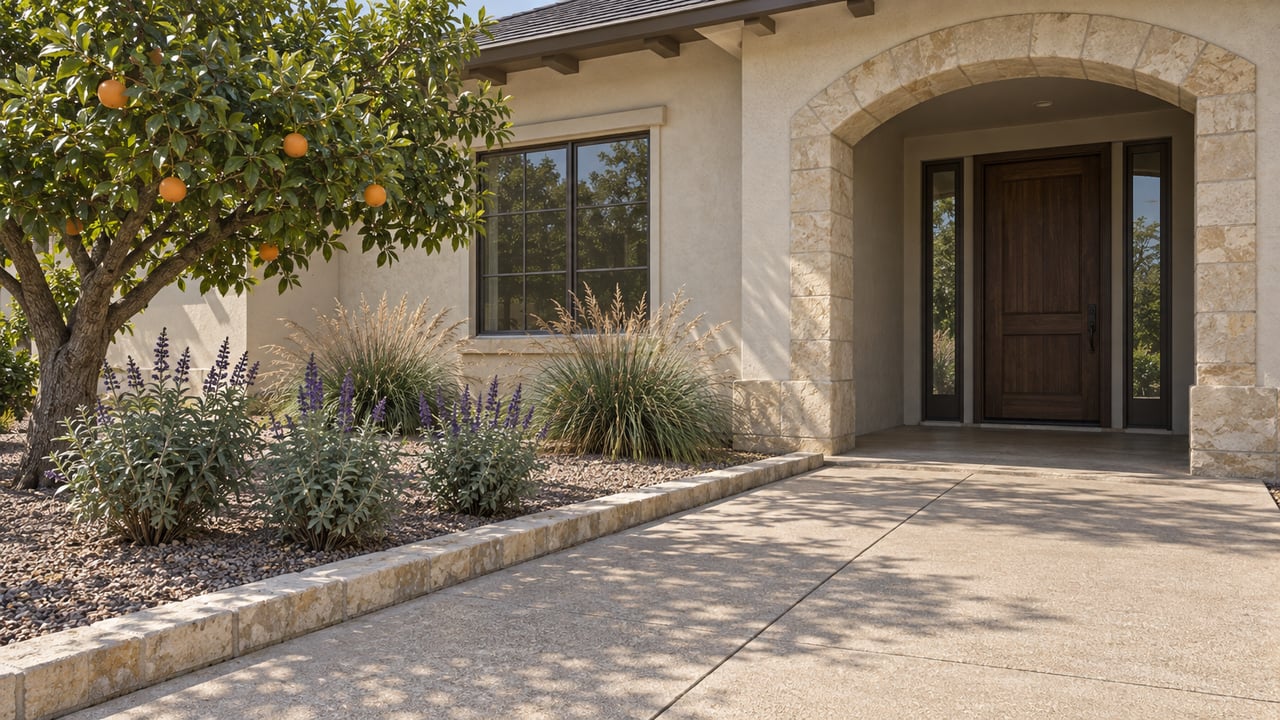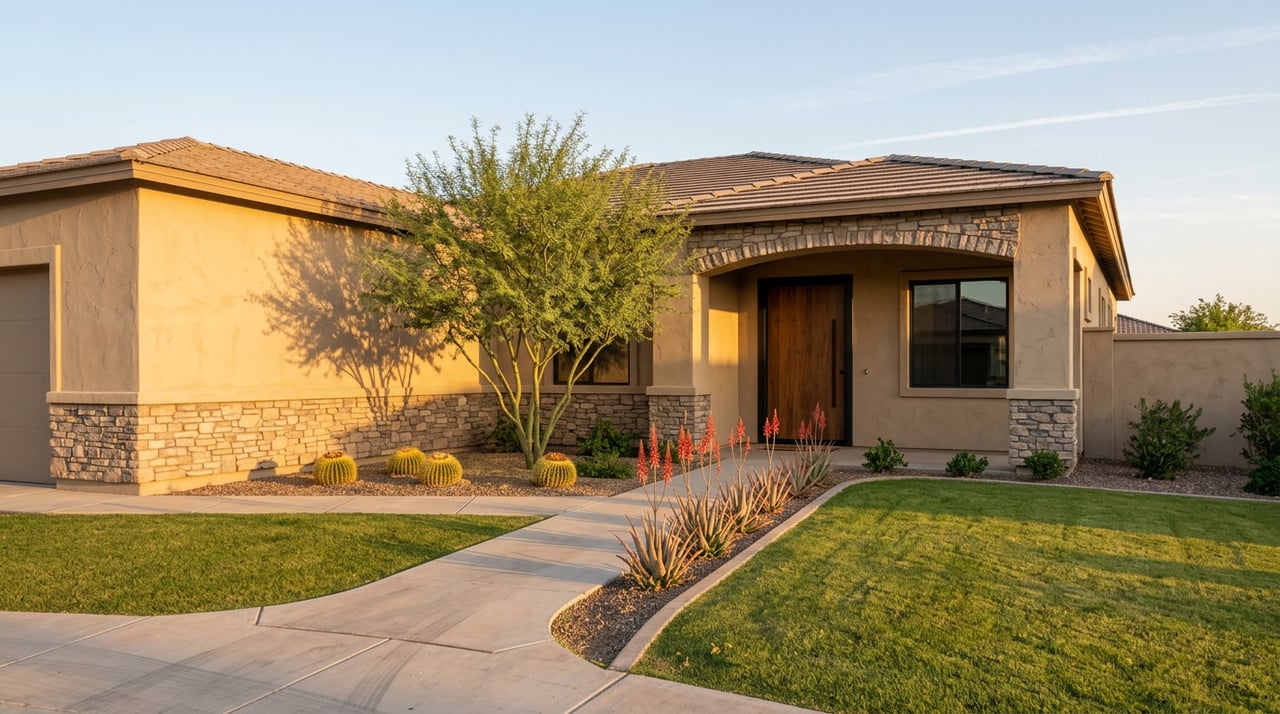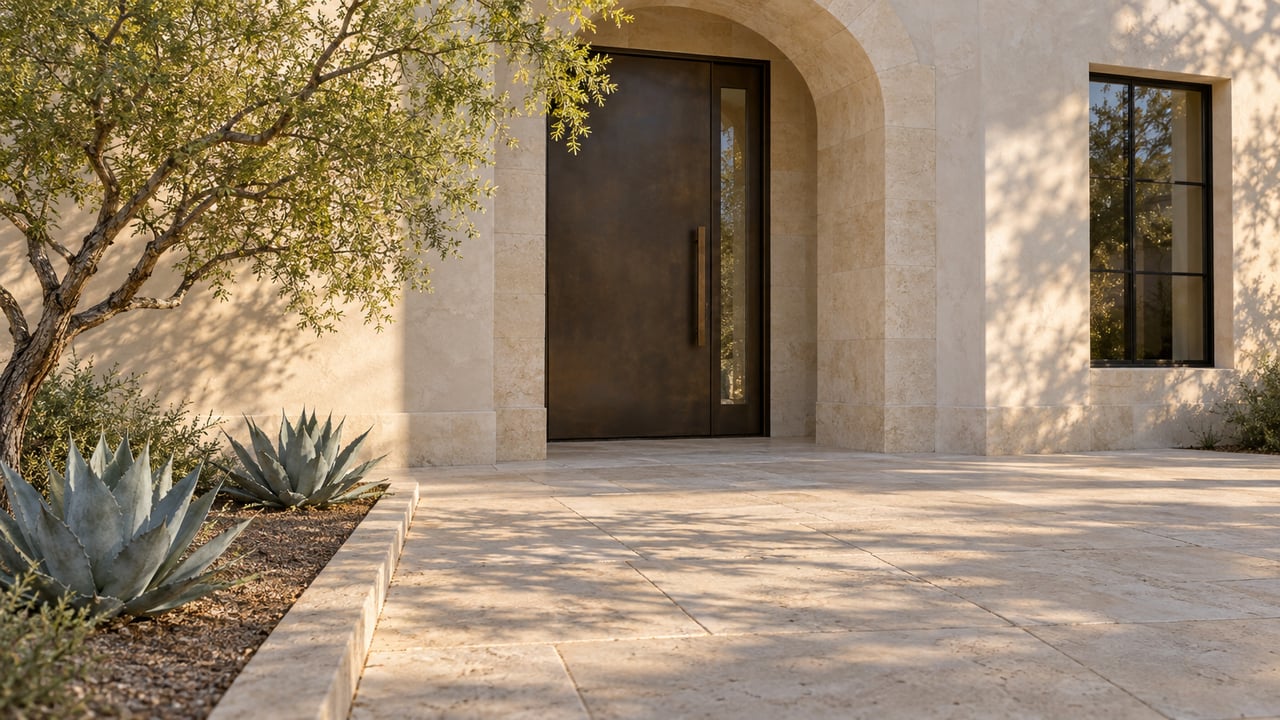
Picture two open houses in south Chandler on the same Saturday afternoon, ten minutes apart by car. The first is a resale in Fulton Ranch, listed against recent neighborhood comps, and the seller isn't budging below asking. The second is a new-construction spec home near the Price Road corridor, same square footage, same price bracket on paper, and the builder's rep is already walking buyers through a rate buydown before anyone has finished the first lap of the kitchen.
Same city. Same season. Same price range. Two sellers who are, in effect, competing in different markets.
That split is the thing worth understanding if you're shopping or selling in Chandler this fall, because it explains a lot of what feels confusing about the local market right now. The citywide median gets quoted constantly, and depending on which tracker you check, that number ranges anywhere from the low $500,000s to nearly $560,000. But a single median can't tell you whether the house you're looking at is priced against a builder's incentive math or a resale seller's confidence in recent comps. Those are two different pressure systems, and this year they're pulling in opposite directions.
The same city, two different pressure systems
Across Maricopa County, new construction has been losing ground to resale all year. In June 2026, newly built homes accounted for roughly 15.8 percent of the county's closed sales, down from about 20.8 percent the year before, a drop of about five percentage points in twelve months. Earlier in the spring that share had dipped as low as 15.3 percent, the lowest reading since April 2022.
Pricing followed the same pattern. Over that stretch, new-home prices fell around 3.4 percent year over year, while resale prices actually climbed about 1.1 percent over the same period. Builders are selling fewer homes at lower average prices while resale sellers are holding, or gaining, ground.
Builders rarely respond to that pressure by cutting the number on the sign. A lower base price drags down every comp in the community and makes the next phase harder to sell at a profit. Instead, the incentive shows up somewhere else entirely: a rate buydown, a closing-cost credit, a design-center allowance that covers flooring or cabinet upgrades. The sticker price looks steady. The real cost to the builder, and the real savings to the buyer, is happening underneath it.
Resale sellers don't have that lever. When a resale needs to move, the adjustment happens the only way it can, through an actual price cut, which shows up publicly as a listing that's been sitting and a string of reductions. That's why the Fulton Ranch seller in our open house scene can hold firm on price while the builder around the corner is already negotiating. They're reading two different signals about how their piece of the market is behaving.
Why Chandler feels this more than most East Valley cities
This split matters more in Chandler than in a lot of neighboring cities because so much of the county's active new-home building sits in the exact same corridor as Chandler's most expensive resale stock. The Price Road corridor, where the Loop 101 (the Price Freeway) meets the Loop 202 (the San Tan Freeway), runs right through both worlds. Intel's Ocotillo campus, PayPal's operations center, and Microchip Technology's headquarters anchor the employment base that draws buyers to this stretch of the city in the first place, and the newer building phases in Fulton Ranch and Ocotillo sit within a few minutes of all three.
That's not a coincidence. It's the corridor where a buyer is most likely to be cross-shopping a builder's quick-move-in home against a resale two streets over, and it's the corridor where you can see the two pricing logics side by side. K. Hovnanian's Viviendo community, built in the Ocotillo and McQueen area, has been listing gated homes from around $730,990 with move-in-ready inventory and rate buydowns attached. A few minutes away, Blandford Homes' Earnhardt Ranch, a gated community of 100 homes built around the history of the 40-acre Earnhardt family ranch, centers its pitch on a 3.2-acre park, a barn-style community ramada, and nine architectural theme choices rather than on price cuts. Both are new construction. Both are competing against resale homes in Fulton Ranch, where the 28-acre lake and waterway system and miles of walking trails have supported firmer resale pricing all year, and in Ocotillo, where homes back to the 27-hole Ocotillo Golf Club and the man-made lake system that gives the community its name.
Here's what that looks like laid side by side.
| Resale in Fulton Ranch or Ocotillo | New construction near Price Road | |
|---|---|---|
| Pricing approach | Priced to recent resale comps, sellers holding firm | Sticker price protected, incentives layered on top |
| Where the negotiating room shows up | Direct list price reductions after weeks on market | Rate buydowns, closing-cost credits, design-center allowances |
| What's driving it | Resale demand in this bracket has held up | Countywide new-home closings have pulled back |
| Price direction, year over year through mid-2026 | Up roughly 1.1 percent | Down roughly 3.4 percent |
What the citywide number actually hides
None of this shows up in a single headline figure. As of this September, Chandler's citywide median sale price sits around $526,310, with homes averaging about 57 days on market according to market data updated in mid-September. Pull a different source and you'll get a different answer. One tracker put the three-month median sale price at $520,000 through May 2026, down 2.9 percent from a year earlier. Another, drawing straight from Arizona's regional MLS data, listed the median list price at $559,900 as of mid-July. Neither number is wrong. They're measuring different slices of the same market at different moments, and none of them separate new construction from resale.
They also blur a real geographic split. North Chandler ZIP codes like 85224 and 85225, the city's older, built-out core, have been running medians near the $420,000s to $427,000s this year. South Chandler's 85249 has pushed toward $725,000, and the Ocotillo area around 85248 has sat closer to $749,500. Most of this stock falls inside Chandler Unified School District No. 80, with Hamilton High School, Basha High School, and Arizona College Prep drawing consistent demand premiums in the south, and Knox Gifted Academy doing the same in the north.
Blend a $427,000 north Chandler resale, a $725,000 south Chandler home, and a $749,500 Ocotillo lakefront property into one citywide median, and you get a number that doesn't actually describe any specific buyer's decision. It reflects a mix of three different housing products responding to three different sets of pressure. The construction-type split runs on top of that geographic split, which is why the same price bracket can mean two completely different negotiating conversations depending on whether you're standing in a resale living room or a builder's model home.
What this means if you're comparing new construction to a resale this fall
If you're weighing a builder's spec home against a resale in the same Chandler price range, the sticker price alone won't tell you which one is the better deal. Ask what incentives are currently attached to the builder's home, whether that's a rate buydown, a closing-cost credit, or a design-center allowance, and run that as a dollar figure against the resale's asking price rather than comparing list prices side by side. A builder's advertised price this year is less likely to reflect the real cost than it was in 2024 or 2025, because so much of the actual negotiation has moved off the sticker and into the incentive package.
It's also worth knowing that builders tend to sweeten incentive packages most aggressively when they need to close out a reporting period, which typically clusters near quarter-end. If your timeline has flexibility, that's a window worth asking about. If a job start date or a school year is driving your move, don't force the timing around it. Just know that the incentive on offer in October may not be the same one on offer in November.
If you're selling a resale in the $450,000 to $750,000 range
The same fracture works in reverse for sellers. Pricing a resale against "the Chandler median" ignores which tier you're actually in and whether new construction is quietly discounting a few streets away. A seller in the broad middle tier who prices against last year's number, rather than the last 60 to 90 days of closed comps in their specific pocket, is the seller whose listing sits long enough to need a price cut anyway. With days on market this year ranging from the high 40s to the high 70s depending on the source and the month, the gap between selling on schedule and chasing the market down in reductions usually comes down to how current your comps are, not how confident your pricing feels on day one.
If you're above $750,000 in Ocotillo or Fulton Ranch, you're operating on a different rhythm entirely. Some luxury sellers in that tier pull their homes off the market during the hottest summer months and relist closer to late September, so a thin fall inventory in this price range doesn't necessarily mean fewer buyers. It may just mean fewer sellers have tested the water yet.
Whether you're standing in a builder's model home or a resale's living room this fall, the number on the sign is only half the conversation. The other half is which pressure system that seller is responding to, and that's the part worth asking about before you write an offer.
If you're trying to figure out which side of that split your own Chandler home falls on, SB Property Team can walk the actual comps for your pocket, new construction and resale both, so you know exactly what you're negotiating against before you list or make an offer.