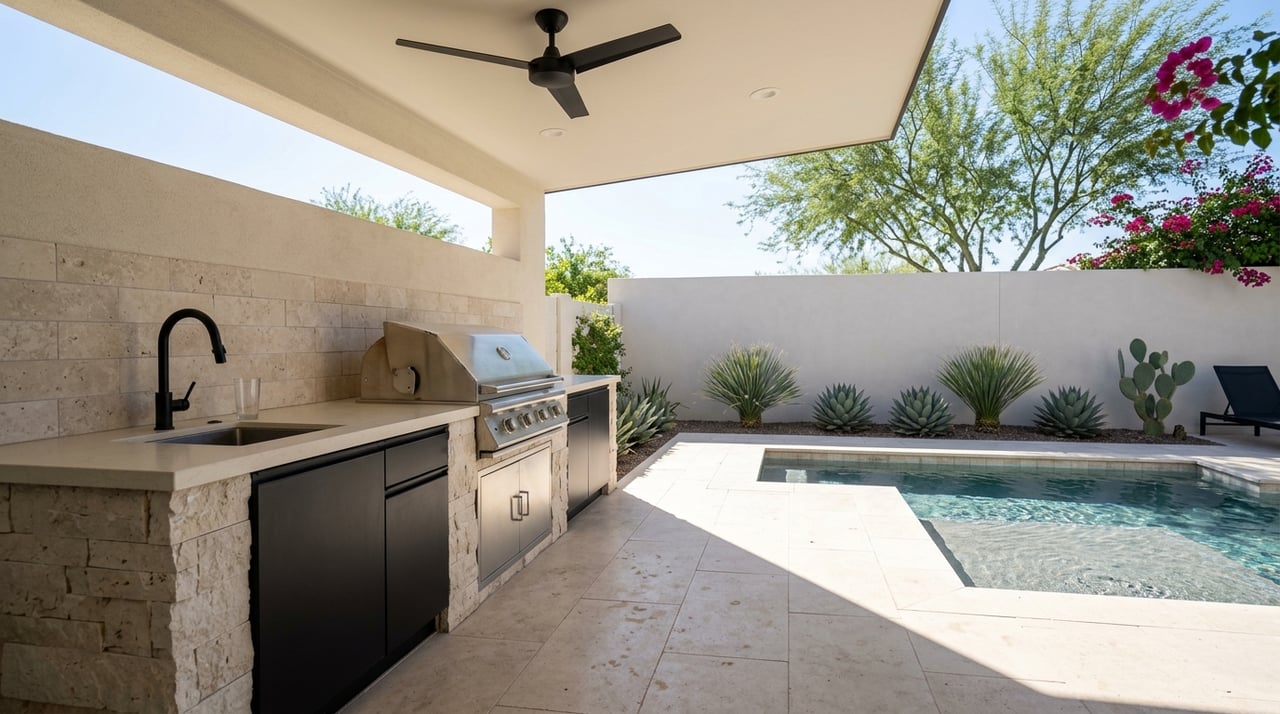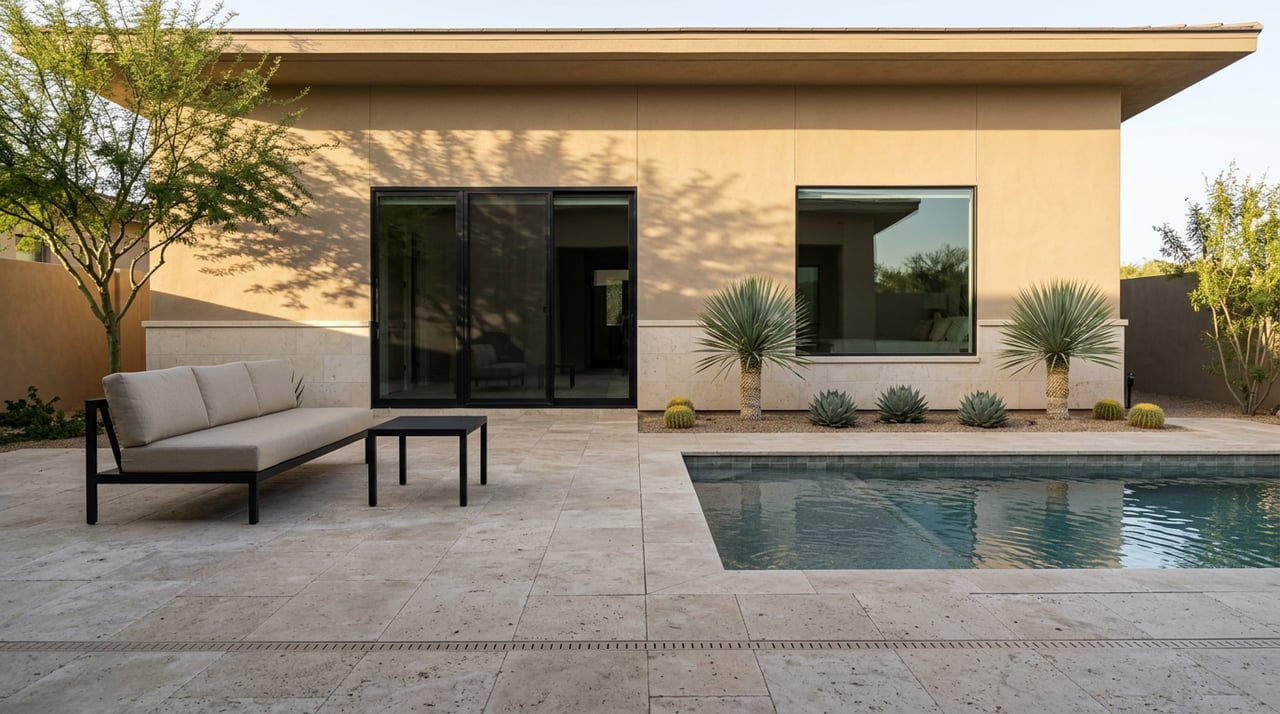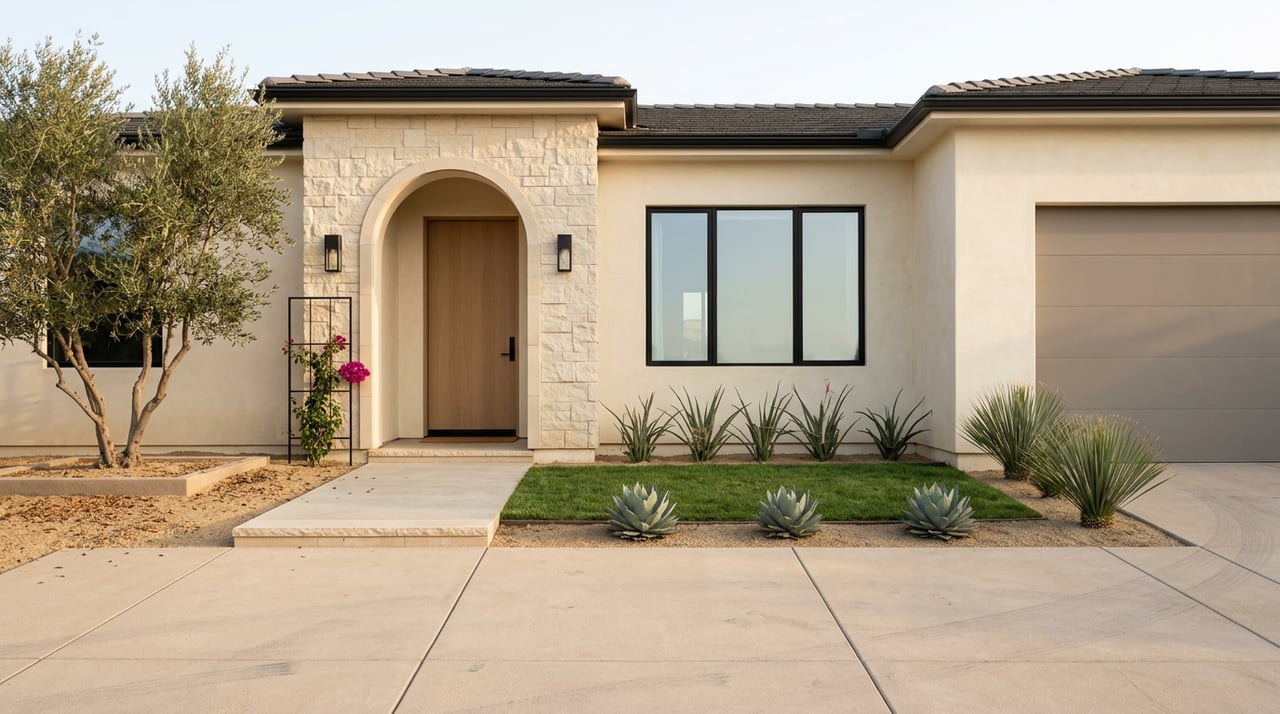
Thinking about moving to Queen Creek but not sure where to start? You want newer homes, a friendly suburban vibe, and access to East Valley jobs, yet the details feel overwhelming. You’ll get a clear plan here, from neighborhood types and school checks to commute patterns, utilities, and a step-by-step moving timeline. By the end, you’ll know how to choose the right area and avoid costly surprises. Let’s dive in.
Quick orientation for newcomers
Queen Creek sits on the southeastern edge of the Phoenix metro and crosses county lines. Some addresses are in Pinal County and others in Maricopa County. This affects school boundaries, property tax bills, permits, and certain services. Always confirm a property’s county, school district, and utility providers early in your search.
You’ll experience a hot desert climate with very hot summers, mild winters, and a late-summer monsoon season that brings dust and thunderstorms. This affects moving timing, HVAC usage, and landscaping. Many homeowners schedule moves and big projects outside peak heat when possible.
Growth has been strong for two decades. Much of the housing stock is newer, with active master-planned development and infill shaping the market. Road projects in the Southeast Valley continue to influence commutes and future access.
Neighborhoods and homes at a glance
Historic town core
Expect smaller lots, a walkable feel near local shops and events, and a practical base if you want town-center convenience. Homes here can be older than in outlying subdivisions and may have unique layouts or renovations.
Master-planned communities
These neighborhoods offer modern floor plans, parks, pools, trails, and community centers. Many have HOAs with monthly fees and rules that cover landscaping and exterior standards. Amenities are predictable and often align with established school feeder patterns.
Semi-rural and ranchettes
If you want space for horses or hobby farming, larger lots and acreage parcels are available, especially toward the San Tan Mountains. Some of these properties use wells and septic instead of municipal utilities. Plan for specific inspections, ongoing maintenance, and longer drive times to services.
Edge-of-town subdivisions
On the outskirts, you can often find newer homes with competitive price-per-square-foot. The tradeoff is more driving for shopping, dining, and schools, depending on the address.
Which neighborhood fits your goals?
- Commuter focused: Prioritize access to major arterials and future road projects. Edge-of-town subdivisions can work if you balance price with drive time.
- Amenity seekers: Master-planned communities offer parks, pools, and community events that make daily life simple.
- Space and privacy: Semi-rural or ranchette properties give room for hobbies and animals, with added due diligence for wells and septic.
- Low maintenance: Town-core or denser neighborhoods with smaller yards suit a lock-and-leave lifestyle.
Schools, childcare, and services
Public school boundaries vary by exact address. The Queen Creek Unified School District serves a large portion of the town, but some areas fall into neighboring districts. Use official district and county tools to verify your assigned elementary, middle, and high schools for any property you consider. School performance differs by campus, so review district resources and state report cards for current information.
Childcare includes home-based providers, national daycare chains, and private or charter schools. Availability can be tight in fast-growing suburbs, so contact providers early.
For healthcare, Queen Creek offers local police and fire, with a range of urgent care options. Many residents use nearby East Valley cities for hospitals and specialists. Map the closest hospital, pediatrician, and urgent care after you choose a neighborhood.
Recreation is a highlight. You have desert trails at San Tan Mountain Regional Park, seasonal events at local farms, and community parks scattered across master-planned areas.
Cost of living and ongoing costs
Queen Creek has often been more affordable than some closer-in East Valley suburbs and generally more expensive than more rural Pinal County towns. Market conditions change, so compare current median sale prices and inventory before you write an offer.
Property taxes are moderate at a state level but vary by assessed value, county, city or town, and special districts. Because Queen Creek crosses county lines, two similar homes can carry different tax bills. Review both the property’s county and local taxing jurisdictions.
HOA fees are common in newer neighborhoods. Include them in monthly cost comparisons along with utilities, which run higher in summer due to air conditioning. Energy-efficient upgrades, shading, and smart thermostats can help manage cooling costs.
Water and sewer service varies. Some homes use municipal systems; semi-rural parcels may rely on private wells, hauled water, and septic. Ask sellers for water and sewer details and confirm whether the property is in an assured water supply area or subject to special rules. Factor potential well, septic, and water rights reviews into your inspections.
For insurance, consider localized risks like wildfire exposure near desert brush and flood potential in washes. Floodplain status can affect coverage requirements, so confirm before closing.
Commutes and getting around
Queen Creek is in the Southeast Valley. Many residents commute to job centers in Chandler, Gilbert, Mesa, Tempe, and downtown Phoenix. Commute times vary based on exact origin and time of day. Major arterials feed into regional freeways, and ongoing road projects can alter patterns.
Public transit is more limited than in central Phoenix. Valley-wide bus and express options exist in certain corridors, but most households rely on personal vehicles. For air travel, most residents use Phoenix Sky Harbor for national routes, with Phoenix-Mesa Gateway Airport as a closer option for many domestic flights.
Top 5 practical checks before you buy
- Confirm your school boundary for the specific address.
- Confirm the property’s county and tax jurisdictions.
- Ask about water source and sewer type, including any wells or septic.
- Review HOA CC&Rs, recent meeting minutes, and budget or assessment history.
- Schedule well and septic inspections if applicable, along with standard home inspections.
Your relocation timeline and checklist
8–12 weeks out
- Define must-haves: lot size, commute time, HOA vs. no-HOA, water and sewer type, and home style.
- Build your budget: include mortgage pre-approval, property taxes, HOA fees, higher summer utilities, and moving costs.
- Hire a local agent experienced with Queen Creek’s county lines and utilities. A seasoned agent can flag water, tax, and school issues early.
- Start preliminary research with county assessor records, school boundary tools, and recent market trends.
6–2 weeks before move
- Order a full home inspection and any specialty inspections needed: well water testing, septic, termite, roof, and pool equipment.
- If buying acreage, verify well permits, water rights, easements, and access roads.
- Review HOA documents and check for pending special assessments.
- Obtain homeowner’s insurance quotes with replacement cost. Ask about wildfire and flood endorsements where relevant.
- Book movers or trucks and set your moving date. Consider heat and monsoon timing.
- Set up utilities: electric, water and sewer or well service, trash, gas or propane, and internet.
- Review Arizona driver’s license and vehicle registration requirements.
2 weeks to moving day
- Forward mail, change your address with USPS, and update banks, subscriptions, and employer.
- Measure large furniture and confirm elevator or stair access if relevant.
- In HOA communities, reserve any required loading zones and confirm move-in rules.
- Secure and protect outdoor items against dust and wind during monsoon season.
First 30 days after move
- Confirm all utilities are correctly set up and billing to your name.
- Update your voter registration and verify local pet licensing rules.
- Meet your HOA manager or board and review trash and recycling schedules.
- Save locations for your nearest hospital, urgent care, vet clinic, and preferred pharmacy.
Due diligence for desert living
- Water supply: Confirm municipal vs. private provider or well, and whether the area has an assured water supply. Ask for documentation during inspections.
- Septic systems: Request maintenance records and schedule a certified inspection if the property is not on sewer.
- Floodplains and washes: Check whether a parcel lies within a flood zone and review local drainage considerations, especially near washes.
- Road and development projects: Stay current on town and state projects that can improve access or create temporary construction impacts.
Where to get up-to-date local data
- Explore town services, permits, and community updates on the Town of Queen Creek’s official site.
- Verify school boundaries and program info through the Queen Creek Unified School District.
- Look up assessed values and tax details with the Pinal County Assessor if your address is in Pinal County.
- Review water supply and assured water supply programs with the Arizona Department of Water Resources.
- Follow current and planned transportation projects through the Arizona Department of Transportation.
- Check transit routes and schedules on Valley Metro.
- Confirm a property’s flood status with the FEMA Flood Map Service Center.
- Plan trail days and desert outings at San Tan Mountain Regional Park.
- Review new resident license and registration steps with the Arizona MVD.
Ready to make your move smoother? You do not have to navigate county lines, water questions, or HOA fine print alone. For local guidance tailored to your timeline and budget, connect with Susan Bermudez for a friendly, focused plan to get you home in Queen Creek.
FAQs
Is Queen Creek better for families or commuters?
- Queen Creek attracts many families for its newer homes and community amenities, while commuters to East Valley job centers also find it practical; fit depends on your address and schedule.
How do schools compare in Queen Creek?
- School performance varies by campus and district boundaries; verify assigned schools for a specific address and review district and state report resources.
What should I budget for utilities in summer?
- Expect higher electricity use for air conditioning during hot months; efficiency upgrades, shading, and smart thermostats can help manage costs.
Is Queen Creek more affordable than Gilbert or Chandler?
- Historically it has offered relative affordability, but market conditions change; compare current median sale prices and inventory before deciding.
What inspections are unique to semi-rural properties in Queen Creek?
- In addition to a standard home inspection, plan for well water testing, septic inspection, and verification of water rights and access on acreage parcels.